

When working with resins, one of the most common issues is accidentally getting resin on your skin, whether you are using epoxy resin, pine resin, or UV resin. Direct skin contact with these materials can pose potential safety risks, including chemical sensitization and contact dermatitis.
To protect user health and safety, it is essential to understand how to remove resin from your hands safely and effectively, minimizing the risk of skin irritation or long-term damage.
In this guide, you will learn why direct hand contact with resin can be harmful and discover safe, practical methods for removing resin from your skin.
What Are the Risks of Resin on Skin Contact?
Different types of skin reactions may occur when resin comes into contact with the skin, particularly before it has fully cured. The most common risks include the following.
Skin Irritation
Direct exposure to liquid or uncured resin may cause redness, itching, or dryness. This occurs because the chemicals in resin can strip away the skin’s natural oils, weakening its protective barrier. Repeated exposure without proper protection may worsen irritation over time.
Allergic Reaction
Some individuals may develop allergic reactions, particularly when working with epoxy resin. These reactions may not appear immediately but can intensify with repeated exposure, leading to rashes, swelling, or long-term skin sensitivity.
Chemical Burns
Minor chemical burns may happen when uncured resin or strong cleaning solvents remain on the skin. This is common during detailed work, such as learning how to make resin 3D printed jewelry, where resin can easily adhere between rings, nails, or gloves.
Note: Skin reactions vary depending on the individual, resin type, and duration of exposure. If severe irritation or persistent symptoms occur, seek medical advice.
How to Remove Different Types of Resin From Hands
Different types of resin require different removal techniques. Identifying the resin type helps prevent skin damage while ensuring effective removal.
Epoxy Resin
Epoxy resin is highly adhesive, and removal should be done carefully and promptly.
Remove Uncured Epoxy Resin with Soap and Warm Water
If the epoxy resin is still wet, wash your hands immediately with warm water and mild soap. Gently rub the affected area to lift the resin before it begins to cure. Early action is the safest and most effective approach.
Use Pumice Soap to Lift Hardened Epoxy Residue
Pumice-based hand soap may be used to remove residue in the case of partially cured epoxy. When used gently, its mild abrasiveness helps soften hardened resin without damaging the skin.
Protect Skin by Avoiding Harsh Solvents
Harsh solvents such as acetone or industrial cleaners are not recommended for direct skin use, as they can cause excessive dryness and irritation. In case solvents are needed, apply them sparingly and apply a moisturizer afterwards.
Pine Resin
Pine resin is natural but highly sticky, often requiring oil-based removal methods.
Break down Pine Resin with Oils and Greasy Products
Pine resin can be dissolved in cooking oil, olive oil, or even butter. Massage the oil into the affected area until the resin softens and loosens.
Degrease Hands with Dish Soap after Oil Removal
After the resin is washed away, use dish soap and wash your hands to get the oily residue away.
Use Citrus-Based Remover for Remaining Stickiness
Citrus cleaners are useful in the removal of any remaining tackiness and are also less irritating to the skin than severe solvents.
Freeze the Resin to Peel It off More Easily
If the pine resin has hardened, briefly applying ice can make it brittle so that you have the resin peeling more readily without rubbing too much.
UV Resin
UV resin is used in resin 3D printers. If accidental skin contact with UV resin occurs, prompt action is required.
Flush Uncured UV Resin off Quickly with Plenty of Water
If the UV resin is still liquid, rinse your hands thoroughly under running water. This inhibits curing and reduces exposure to skin.
Use Isopropyl Alcohol on Small Spots Only
Isopropyl alcohol may also be used to dissolve the resin when the spots are small and cured, but one should not apply it to large areas, as it can lead to the skin being parched.
Remove Cured UV Resin with a Soak and Soft Brush
To loosen the UV resin already cured, all that is needed is to put hands in warm soapy water and use a soft brush to rub the hands. This helps loosen the resin while minimizing skin irritation.
Resin Handling Tips for Easier Cleanup and Less Skin Contact
Preventing resin contact starts with the right equipment. Check the essential 3D printing tools guide to ensure you have the necessary safety gear. And here are also other tips to reduce contact with resin.
Review the Safety Data Sheet before Use
Safety Data Sheets offer significant details on how to handle, clean up, and address health hazards. Looking at them would make you know how to do protection before handling resin.
Select Low-Mess or Easy-to-Clean Resin
By using water-washable resins, it is possible to have a lot less contact with skin and a minimized amount of time spent cleaning them up.
-
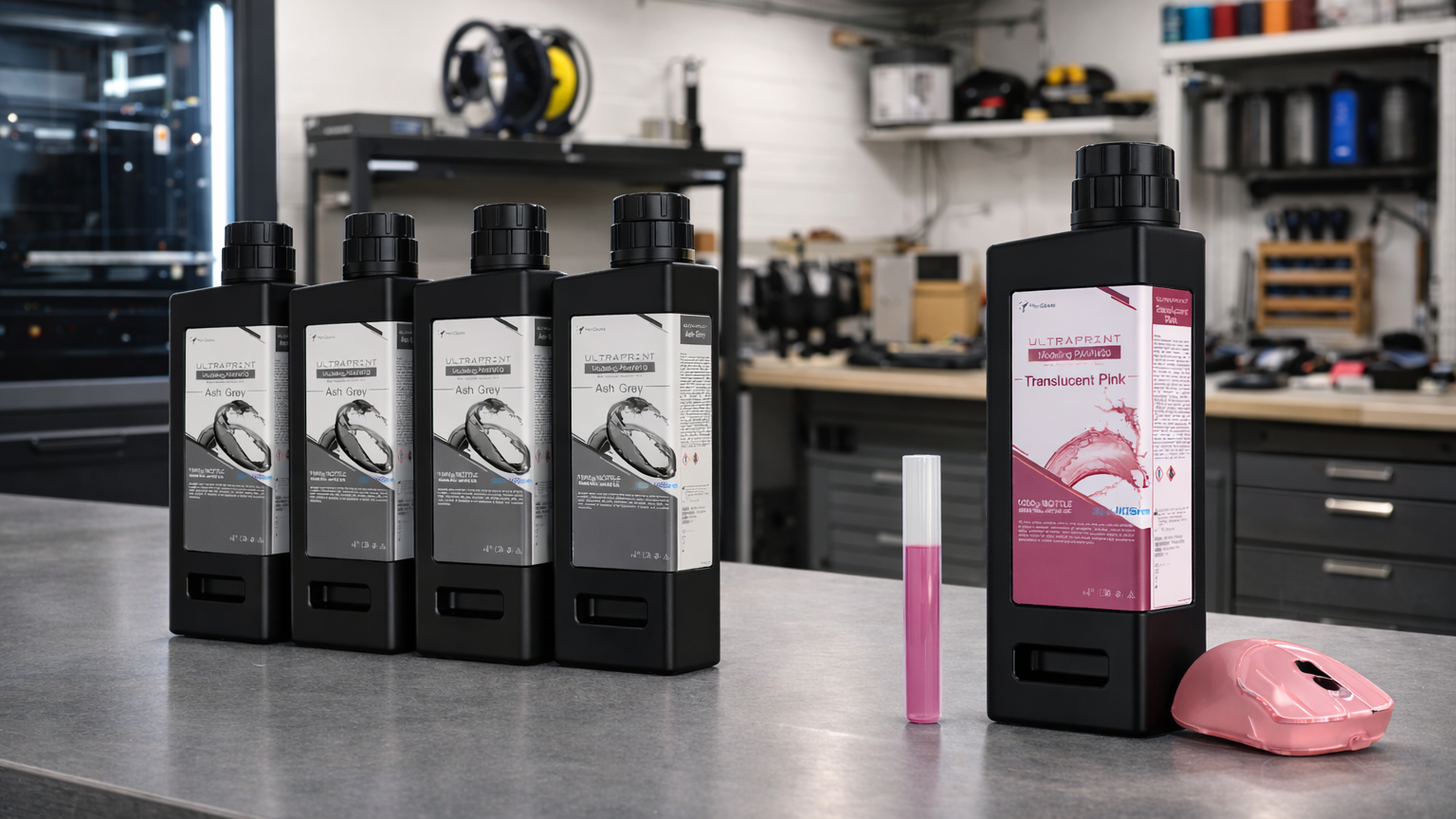
UltraPrint-Modeling PAWW10: A low-odor resin that cleans with water in just 3 minutes. It delivers high detail and durability, making it ideal for figurines and prototypes.

-
UltraPrint-Modeling PAWW20: A high-performance option that rinses clean in only 2 minutes. It offers superior toughness and surface finish, perfect for creating functional parts.

Allow Resin to Fully Cure before Cleaning Tools
Cured resin is simpler and less hazardous to clean off of tools and limits unintentional skin contact during cleanup.
Choose the Right Gloves for Resin Work
Nitrile gloves are very resistant to chemicals and are advised to be used instead of latex when dealing with resin.
Protect Nails and Avoid Direct Skin Contact
Since resin can readily gather under nails, short and covered nails are easier to clean up and are less likely to be exposed.
Set Up a Clean Zone for Resin
Resin-only workspace helps to reduce unexpected spills and contact with the skin and enhances overall safety.
FAQ
Does Rubbing Alcohol Remove Resin?
Rubbing alcohol can remove small amounts of uncured or lightly cured resin, but it should be used sparingly to avoid skin dryness.
Can I Use Nail Polish Remover to Clean Resin?
Nail remover polish usually includes acetone that removes resin, but it can be irritating to the skin. It should be applied to tools and not to hands.
How to Get Resin out of Hair?
Use oils or conditioner to loosen the resin, then gently comb it out. Avoid cutting hair unless absolutely necessary.
Conclusion
One of the things that an epoxy, pine resin, or UV resin worker should know is how to get resin off hands without causing damage to the skin. The secrets of saving your own skin are to act promptly, remove them properly, and use suitable materials. After understanding how to take the resin out of your hands and how to deal with resin-based projects, you will be able to save time on resin preparation, reduce irritation, and feel comfortable working with resin-based projects.
Share:
What Is Rapid Prototyping? Speed up with SLA 3D Printing
SLA vs. SLS 3D Printing: Which One Is Right for You